- Home
- Other Catholics
- The Ethiopian Bible
Simply Catholic and Welcoming You
The Ethiopian Bible Compared to the Roman Catholic and Protestant Bibles
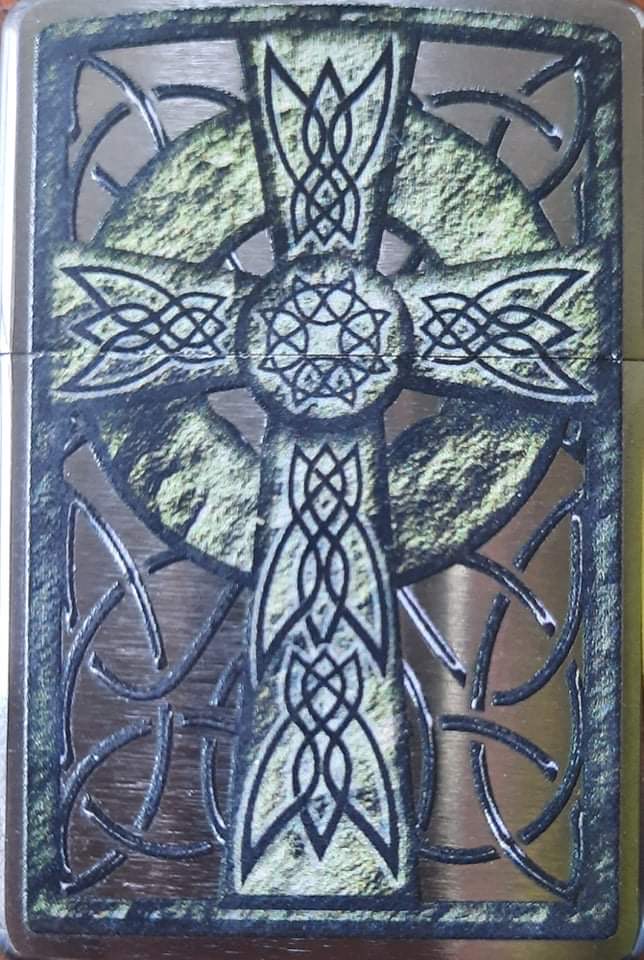
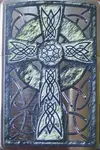
A Celtic Cross - Symbol of Faith Often Seen on Headstones. While Many Christians Focus on What Happens After Death Ethiopians Focus On Maturing Spirituality In This Life
The Ethiopian Bible, compared to the Roman Catholic and Protestant Bibles gives us a totally different view of early Christian teachings and practices, especially of the life and teachings of Jesus during His ‘lost years’ (youth) and during the time from His resurrection to His ascension.
Other Ethiopian Manuscripts also exist and bring a very different light to our faith.
The Mashafa Barhan, the book of light, gives a four step process for gaining direct contact with God! For our page on this marvellous manuscript please see here.
The Ethiopian Orthodox Tewahedo Church Bible Comparison Overview
The Ethiopian Orthodox Tewahedo Church Bible is larger than the Roman Catholic Bible, containing 81 books compared to 73. It features a unique, broader canon, including books like 1 Enoch, Jubilees, and 1-3 Meqabyan (distinct from Maccabees), while the Catholic Bible includes seven deuterocanonical books not found in Protestant bibles.
Key differences include:
- Total Book Count: The Ethiopian Bible contains 81 books (46 Old Testament, 35 New Testament). The Catholic Bible contains 73 books (46 Old Testament, 27 New Testament).
- Unique Ethiopian Books: The Ethiopian Old Testament includes 1 Enoch, Jubilees, and 1-3 Meqabyan (not to be confused with Maccabees). The New Testament includes additional books of church order such as the Didesqelya (Ethiopic Didascalia).
- Language and Usage: The Ethiopian Bible is written in Ge'ez, an ancient, liturgical Semitic language. The Catholic Bible uses common, translated languages.
- Different Canon Structure: While both include books like Wisdom, Sirach, and 1-2 Maccabees (often termed Apocrypha by Protestants), the Ethiopian Orthodox canon expanded differently due to its isolation and preservation of older, early Christian texts.
While the Latin Rite of the Catholic Church relies on the Latin Vulgate tradition, the Ethiopian Bible has remained largely unchanged for centuries, functioning as one of the oldest and most complete biblical canons.
Didesqelya is an Ethiopic Christian text of church order and canon law consisting of 43 chapters, originating from the first seven books of the Apostolic Constitutions. It is distinct from the Didascalia Apostolorum and is considered part of the broader Orthodox Tewahedo biblical canon. The name Didesqelya, derives from the Greek word for "teaching".
Didesqelya is the Ge'ez name for the Ethiopic Didascalia, a book of Church order included in the broader canon of the Ethiopian Orthodox Tewahedo Church.
It is considered valuable for edification and cultural significance within the Ethiopian Church but is part of the broader, non-doctrinally binding canon, which also includes books like Enoch and Jubilees.
Didascalia (Greek:Didakhé) means "teaching" or "instruction". It is the common name for the Didascalia Apostolorum (Teaching of the Apostles), an early Christian text from the 3rd century that served as a Church order or manual for Christian living, practice, and organization.
Overview
- Genre: The Didascalia belongs to the genre of "Church Orders," which provided practical instructions for the community, including moral guidance, liturgical practices, and the roles of church leaders (bishops, deacons, widows).
- Authorship and Date: The text presents itself as being written by the Twelve Apostles during the Council of Jerusalem, but scholars generally agree it was composed anonymously in Northern Syria, likely in the first half of the 3rd century.
- Content: It covers a wide range of practical matters for the early church, such as:
- Admonitions for Christian life and prayer.
- Rules regarding the qualifications and duties of bishops, deacons, and deaconesses.
- Liturgical rules, including proper place in the church building and fasting.
- Denunciation of heresies and Jewish ritual practices directed toward Jewish Christians.
- Influence: The Didascalia was influential in shaping early church law and organization. It was later incorporated into the first six books of the Apostolic Constitutions, a 4th-century compilation of Church Orders.
Key details about Didesqelya include:
- Content and Origin: It is a pseudo-apostolic text (meaning it claims apostolic origin but was written later) that closely mirrors books I–VII of the Constitutions of the Apostles.
- Context: It belongs to the old Christian literature of canon law, distinct from the Didascalia Apostolorum and the Teaching of the 318 Nicaean Fathers in 325 A.D. (From which came the Nicene Creed, 20 canons and a synodal epistle.)
- Biblical Canon: It is part of the 81-book broader canon of the Ethiopian Orthodox Tewahedo Church.
- Structure: It contains 43 chapters, which differ slightly from the original Apostolic Constitutions by omitting specific sections and adding a preface.
The Following Books make up the Ethiopian Orthodox Tewahedo Church Bible Canons
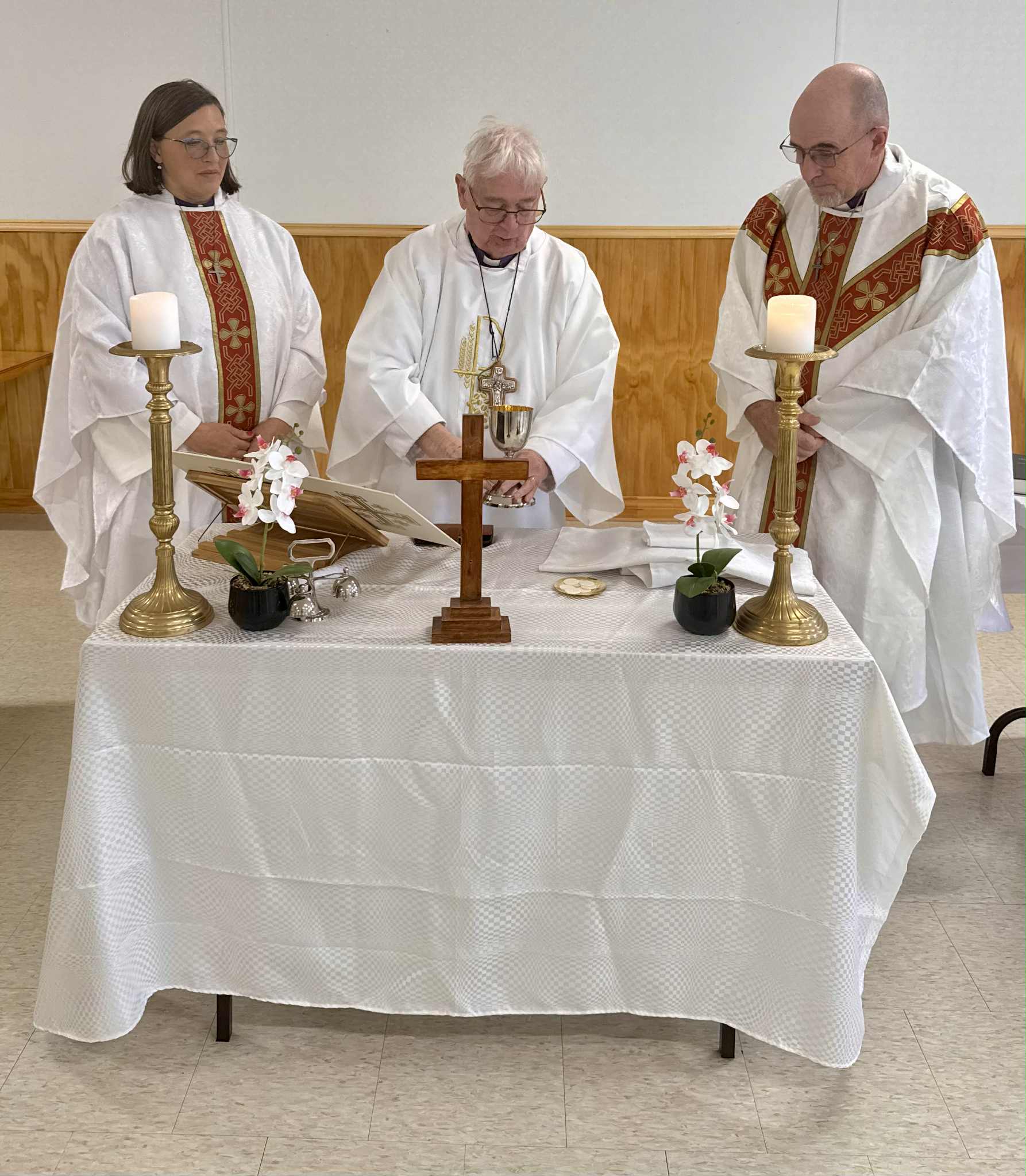
Bishop Charlene Bradley (Left), Archbishop Thomas Twose (Center) and Archbishop Philip Bradley (Right) at The Liturgy Of The Eucharist as They Co-celebrate Mass. Dress, Deportment, Scriptures and Other Expressions of Faith May Differ Yet, As Catholics, we All Remain One, Holy, Catholic and Apostolic Church.
It is important to note that the Ethiopian Orthodox Tewahedo Church has two Bible Canons: the Narrow Canon which contains fewer books and the Broader Canon which contains more. The Haile Selassie Version of the Bible, which was published in 1962, contains the Narrower Canon in Amharic translated from the Ge’ez.
The Narrow Old Testament Canon is listed here:
- Genesis
- Exodus
- Leviticus
- Numbers
- Deuteronomy
- Joshua
- Judges
- Ruth
- I and II Samuel
- I and II Kings
- I Chronicles
- II Chronicles (including the Prayer of Manasseh)
- Jubilees
- Enoch
- Ezra-Nehemiah (In Catholic Bibles Ezra-Nehemiah are sometimes known as I and II Esdras)
- Ezra (2nd) and Ezra Sutuel (Also known as I and II Esdras in the KJV, II Esdras is Chapters 3-14)
- Tobit
- Judith
- Esther (Including the Rest of Esther)
- I Meqabyan (Not the same as I Maccabees)
- II and III Meqabyan (Not the same as II and III Maccabees)
- Job
- Psalms (Including Psalm 151)
- Messalë (Proverbs ch 1–24)
- Tägsas (“Reproof”; Proverbs ch 25–31)
- Wisdom of Solomon
- Ecclesiastes
- Song of Songs (Also known as Song of Solomon)
- Isaiah
- Jeremiah (incl. Lamentations, Letter of Jeremiah, Baruch and Ethiopic 4 Baruch)
- Ezekiel
- Daniel (Including the Rest of Daniel)
- Hosea
- Amos
- Micah
- Joel
- Obadiah
- Jonah
- Nahum
- Habakkuk
- Zephaniah
- Haggai
- Zechariah
- Malachi
- The book of Joshua (Sometimes rendered Jesus) the Son of Sirach
The Old Testament Broader Canon is:
All of the books of the narrower Old Testament canon plus one book:
Yosëf wäldä Koryonor Josippon or The Book of Josephas the Son of Ben Gorion (Some Non- Ethiopians refer to this book as Pseudo Josephus) It has 8 parts
The Narrower New Testament Canon is:
- Matthew
- Mark
- Luke
- John
- Acts of the Apostles
- Romans
- I Corinthians
- II Corinthians
- Galatians
- Ephesians
- Philippians
- Colossians
- I Thessalonians
- II Thessalonians
- I Timothy
- II Timothy
- Titus
- Philemon
- Hebrews
- I Peter
- II Peter
- I John
- II John
- III John
- James
- Jude
- Revelation
The Broader New Testament Canon is all of the books of the Narrower New Testament Canon plus:
28 Sirate Tsion (the Book of Order or the Order of Zion)
29 Tizaz (The Book of Herald or Commandments)
30 Gitsew
31 Abtilis
32 The I Book of Dominos (Also known as the Book of the Covenant I)
33 The II Book of Dominos (Also known as the Book of the Covenant II)
34 The book of Qälëmentos or Clement
35 Didesqelya or Didascalia (Ethiopic Didascalia not to be confused with other versions)
Note: Sirate Tision, Tizaz, Gitsew and Abtilis are all known as Sinodos as well and are each attributed to the Apostles.
Sinodos is a Greek word meaning "assembly" or "meeting," composed of "syn" (together) and "hodos" (way or journey). The term is primarily used in a Christian context to refer to a council or assembly of church officials (synod)and sometimes lay delegates who meet to discuss and decide on matters of doctrine, administration, and discipline.
General Meaning: The word is a direct Greek equivalent to the Latin term concilium, or "council". It signifies the concept of "journeying together" in faith.
Ethiopian Orthodox Church: Sinodos (or Senodos) is a specific title for an important collection of canons (church laws and instructions) used in the Ethiopian Orthodox Tewahedo Church, which includes writings attributed to the apostles.
All together 81 books are counted in the Ethiopian Orthodox Canon it must be remembered however that books are sometimes counted and divided differently than in the other canons.
The Ethiopian Bible Compared to Other Bibles Available Today
Today there exists a wide array of versions of “The Bible”. The Ethiopian Bible predates the rest as a complete and illustrated bible and, not having been influenced by the council of Nicea, still contains books removed from post Nicea bibles of the early Christian/Catholic church as well as works unique to the Ethiopian Orthodox Tewahedo Church.
Many of the bibles available today are horrible translations or have been ‘reworked’ to be ‘more modern’ in language and or to ‘better reflect today's use of pronouns’. Some to such an extent that they are now burdensome to read and still make actual sense (in this writer's humble, personal opinion).
Note: The Ethiopian Orthodox Church is in full communion with Rome while the Ethiopian Orthodox Tewahedo Church is a stand alone Catholic Orthodox Church, meaning it is not in communion with Rome and thus continues to maintain its own bible, canons and traditions, distinct from the Latin/Roman Rite and other Orthodox Catholic Rite Churches/Traditions.
Western Versus Ethiopian Church Development and Viewpoints
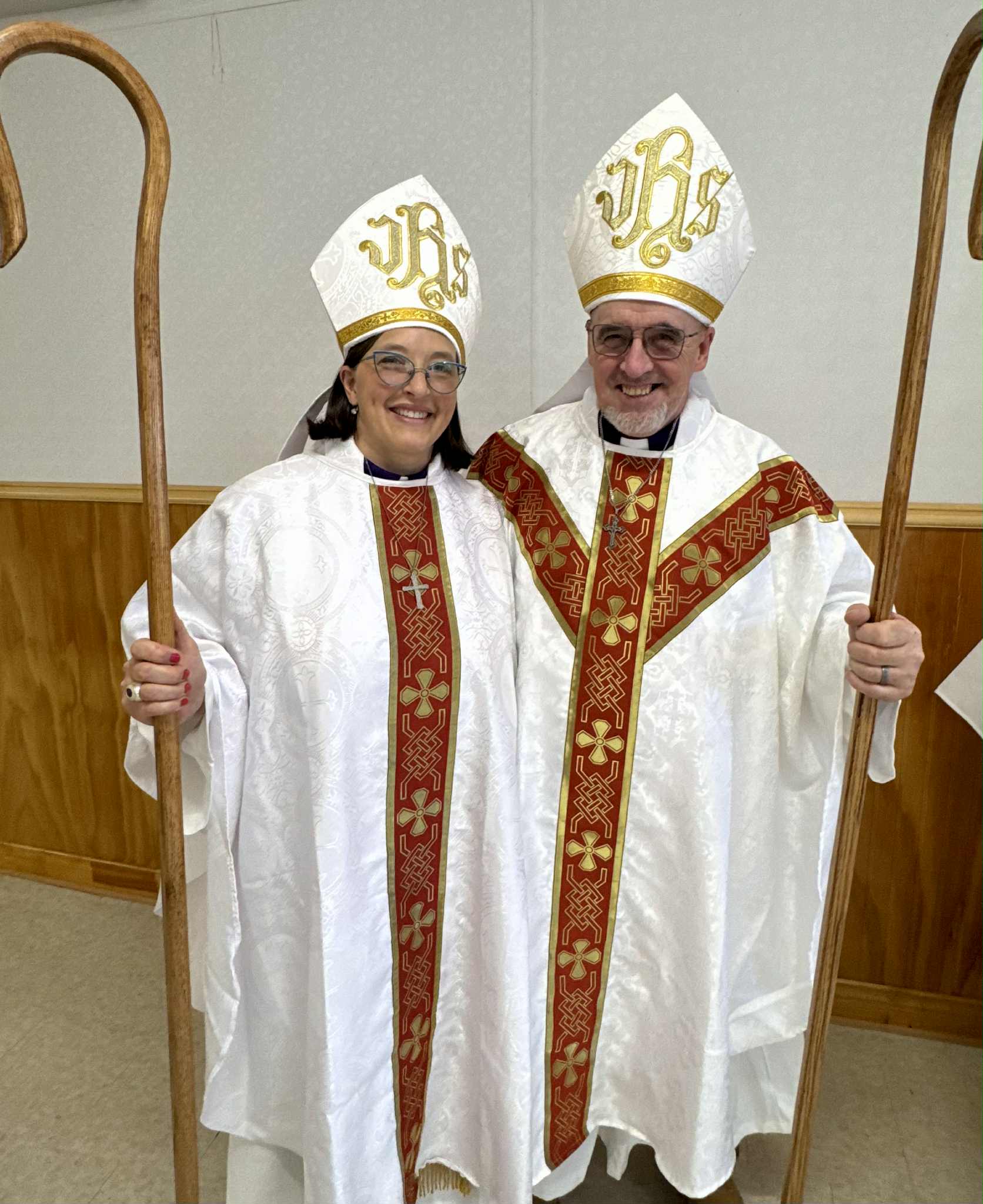
Bishop Charlene Bradley and Archbishop Philip Bradley - As With St. Brigit's Community Catholic Church, Many Catholic Rites Do NOT Answer to Rome Yet Retain Full Apostolic Succession, Valid Priesthood Orders and Very Much a Part of The One Holy, Catholic And Apostolic Church.
While the West tells the story of councils, popes and empires, in Africa, Ethiopia was a Christian nation from a very early stage, independent, not under the control of Rome. They wrote the Bible in their own language, preserved the world's oldest manuscripts, and safeguarded books that the West had discarded or lost.
Ethiopia even possesses a book containing the teachings of Jesus after his resurrection. A text not found in any other tradition. The question is, why have you never heard this story before?
In the New Testament familiar to the West, the period following Jesus's resurrection is described very briefly. The gospels record only a few appearances, some scattered teachings, and quickly conclude with the ascension. The 40-day period between the resurrection and the ascension is almost entirely left blank. But in Ethiopian tradition, those 40 days are not empty.
Mashafa Kdan or The Book(s) of The Covenant
So, Ethiopian Christianity possesses a text known as the Mashafa Kdan, often translated as the Book of the Covenant. This text does not exist in any surviving Greek, Latin, or Syriac traditions today. It exists only in its entirety in Ge’ez, the ancient liturgical language of Ethiopia.
According to Ethiopian tradition in the 40 days following the resurrection, Jesus Christ not only appeared to prove his resurrection but also taught continuously. The content of these teachings did not focus on the organization of the church, authority or laws. The focus was on inner transformation, prayer life, and how people encounter God after the resurrection.
A very important point, this text does not describe spectacular miracles, does not tell sensational stories, and does not portray Jesus as a mystical figure detached from life.
On the contrary, the post-resurrection sermons are practical and detailed spiritual training. Jesus is presented as a teacher preparing his students for a completely new phase of reality where death is no longer central and spiritual life must mature.
Mashafa Kdan emphasized that Easter is not just a historical event but a change in how people perceive the world. Where prayer is no longer a ritual but a state of being.The law is not denied but it is no longer the central axis of the relationship with God.
This was very different from the later development of Western Christianity.
When the Roman Catholic Church faced the challenge of governing the empire (under the Roman Emperor Constantine 1 325 A.D.), doctrinal unity and organizational discipline became priorities. Texts emphasizing profound inner experience. Visions, angelology or cosmic mystery gradually came to be seen as secondary, even difficult to control, threatening to the hierarchy's goals.
Ethiopia is different. Their tradition was not under pressure to build a global structure. Therefore, they did not need to cut out texts that focus on direct experience with God. The Mashafa Kadan is retained not because it is a forbidden secret, but because it serves the spiritual life of the community.
Ethiopian tradition does not deny the cross, but considers it a starting point, not an end. Salvation does not stop at forgiveness, but continues with the restructuring of the human being from within. This is why Ethiopian monasteries use these texts in the training of monks rather than simply reading them as historical documents.
In other words, if the Western New Testament helps readers answer the question, who is Jesus? The post-resurrection Ethiopian tradition focuses on the more difficult question. How should a person resurrected with Him live?
It is this difference that makes the Ethiopian Bible controversial in the modern world. Not because it breaks down Christian faith, but because it places emphasis on something the West has long overlooked or offered only lip service to, a deep lasting spiritual life that demands true maturity.
Organizational Control Versus Individual Spiritual Development
The issue isn't whether post-resurrection teachings are right or wrong. The issue is that they lead faith in a direction that is very difficult to control.
Ethiopian texts on the post-resurrection period, particularly Mashafa Kdan, offer no new laws, no established hierarchy, and no empowerment of a specific leadership group. Instead, they focus on individuals being trained to live in the reality of the resurrection.
This has three major consequences that the West finds difficult to accept:
First, authority is no longer externally concentrated thus religious power no longer rests in organizational hands! While that does not destroy the church it sure weakens the top down model of control long practiced in the West.
Second, salvation is no longer a simple legal state but an ongoing deliberate cognitive process of transformation of self and the individual's world view.
Third, spiritual life becomes a skill to be cultivated not just a declaration of belief.
These are startlingly different views of the same Jesus and the same faith. The West upholds Him as the foundation of a unified church. Ethiopia remembers Him as a teacher who continued to train people from His resurrection till His ascension.
The question arising from these divergent viewpoints is how does the resurrection change the way we live rather than simply changing our fate after death?
According to Ethiopian traditions:
Easter is not just an event but a change in self and world view.
Prayer is a state of being not a ritual.
Salvation is a trans-formative process, not a moment in time where we take an altar call and are ever-after “saved”.
Our Takeaway From These Comparisons
The resurrection must open us to transformation otherwise it is merely information and lacks the intended spiritual miracle it is meant to be.
The Ethiopian bible makes faith more demanding, not easier demanding individual discipline and direct communication with God. Which is the reason it would never have worked for the Council of Nicea and the emperor’s goal of using the faith to unite and control Rome's fracturing masses.
Many people claim to believe in Christ and that this claim means they are saved, no real life changes required. Basically just be decent neighbors and attend church. The post resurrection teachings in the Ethiopian bible debunk this position and allow for no such stopping point in spiritual development.
If we believe that the resurrection is real then we can no longer live as before. We must actively seek to transform our lives and ourselves to actually try to emulate Christ!
Neither viewpoint denies the other.
St. Brigit’s Community Catholic Church Stance On These Viewpoints
We at St. Brigit’s Community Catholic Church believe that faith without works is dead. That a faith that does not challenge us to our very core to live differently, live more lovingly is not faith just yet but perhaps only the hope for that real faith.
If only Christians everywhere could catch the concept that being saved by simply claiming faith is false doctrine and that real faith is by its nature transformative of the person and their life.
"Faith without works is dead" (James 2:26) means true, saving faith isn't just belief but produces actions, like helping the needy, proving it's alive; it's not about earning salvation through deeds, but deeds are the evidence of genuine faith, showing a transformed heart, just as a body needs a spirit to be alive. It contrasts an empty profession of faith with a vibrant, obedient life, highlighting that real belief in God leads to loving your neighbor and acting on that love.
Matthew 7:21-23 warns that merely calling Jesus "Lord" is insufficient for entering heaven; true salvation requires doing the Father's will. Despite performing miracles or prophesying in His name, those who practice lawlessness will be rejected with "I never knew you".
"By their fruits shall ye know them" is a biblical phrase from Matthew 7:16, meaning you can judge someone's true character and intentions by observing the results of their actions (their "fruit"), just as you judge a tree by the quality of the fruit it produces, not just its appearance. Jesus used this metaphor to warn against false prophets, stating that good people produce good deeds (like love, joy, peace), while bad people produce harmful outcomes, and those who bear no good fruit will be judged.
Based on John 13:34-35, Christians are identified as Jesus' disciples through their active, sacrificial (agape) love for one another, mirroring his own. This commandment serves as a defining mark to the world, emphasizing that actions, rather than just words, validate faith.
There isn’t a difference in faith between the Western churches and the Ethiopian church yet there is a clear difference in emphasis and practice. The ‘extra’ books in the Ethiopian bible grant insights that are lost to the western scriptures (contentions over what should or should not be included between Rites aside ) Books that directly affect the difference in emphasis. An emphasis that the western Christians in general and Catholics in particular would do well to seize upon and put into daily practice.
Yes, real faith can be an inconvenience to those who would rather make claims and change nothing. Yet real faith is the only road to personal salvation through Christ Jesus while the convenient kind will only earn the rebuke “I know ye not”.
Real faith means actively working on ourselves to build meaningful relationships with Christ Jesus and through Him Our Heavenly Father. Real faith means being actively engaged in the will and works of Heavenly Father.
Real faith is hard, inconvenient, ongoing cognitive spiritual development that truly changes the individual, their world view and, perhaps most importantly, their interactions with all life forms, especially other humans, in this world. Real faith focuses on what we need to do in this life more than on an entitled expectation of our rewards in the next life.
Real faith is about the “Way” Christ taught us by His example more than a set of fixed beliefs. It is about our relationships with God, other people and with ourselves. Ultimately it is about service not fixed on reward.
The Ethiopian Orthodox Tewahedo Church Bible is now freely available online, in various language translations as well as in book, ebook and PDF versions. We encourage you to explore this marvelous work. For us it is a wonderful resource and an engaging study.
The Ethiopian Orthodox Tewahedo Church website can be found here;
https://www.ethiopianorthodox.org/english/canonical/books.html
Study Guides: Several study guides are available (check platforms like Amazon) to help structure one's understanding of The Ethiopian Orthodox Tewahedo Church beliefs and practices in relation to the canon.
Recent Articles


-
The Divine Office
Aug 07, 26 01:16 PM
 The Divine Office The Divine Office, also known as the Liturgy of the Hours or Opus Dei ("Work of God"), is the official, daily set of prayers of the Catholic Church
 -
A Simplified Breviary
Aug 07, 26 01:14 PM
 A Simplified Breviary or Missal of The Divine Office of St. Brigit's Community Catholic Church.
 -
The Ethiopian Bible
Jul 25, 26 09:07 AM
 The Ethiopian Bible, compared to the Roman Catholic and Protestant Bibles gives us a totally different view of early Christian teachings and practices,

Boat Harbour West, Newfoundland, Canada. Cell Number 709-276-0626
Join Us Also on Our St. Brigit's Community Catholic Church Prayer group on Facebook: https://www.facebook.com/groups/324523956473448