- Home
- simply catholic
- Bible Study That Honors Context
Simply Catholic and Welcoming You
Bible Study That Honors Context and Interpretation
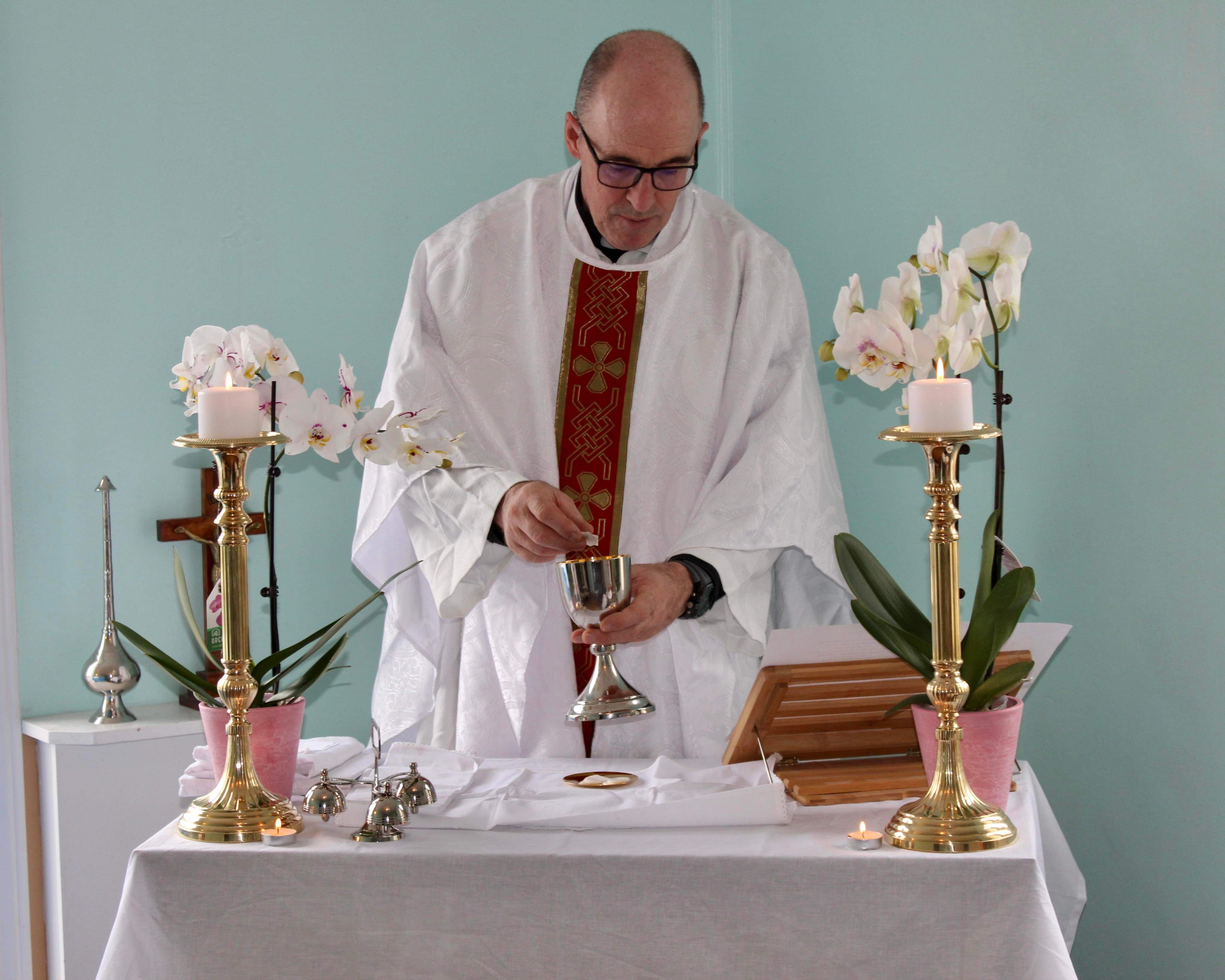
Archbishop Philip Bradley during the Liturgy of the Holy Eucharist During Catholic Mass
The best way to ensure proper Bible study that honors context and interpretation is to utilize the Inductive Bible Study Method (Observation, Interpretation, Application) while focusing on the "original intent" of the author. This approach prioritizes exegesis—drawing meaning out of the text—over eisegesis—reading personal, modern, or preconceived ideas into the text.
Here are the key principles and practices for Bible study that honors context and interpretation:
1. The Core Principle: "Context is King"
To avoid misinterpretation, you must consider the "total surroundings" of a verse or, in today’s legal terms, the "totality of the circumstances involved” .
- Immediate Context: Read the verses, paragraphs, and chapters immediately surrounding a specific verse to understand the flow of thought.
- Book Context: Understand the purpose, author, audience and era of the entire book. Who was it written by? To whom? In what circumstances? To accomplish what purpose? Failures in this area alone account for so many false applications of biblical content.
- Scriptural Context: Compare Scripture with Scripture. Allow the Bible to interpret itself, using clearer passages to shed light on more obscure ones and to prevent taking a message directed at a smaller specific audience to address their regional problems as being a statement directed at or for the larger body of the church. Also study different versions/interpretations of the bible as this also can give valuable insights and enhanced understanding.
2. The Inductive Study Steps
- Observation (What does it say?): Read the passage multiple times (preferably in different translations) before looking at commentaries. Look for repeated words, connecting words (e.g., "therefore," "but," "because"), and the overall structure.
- Interpretation (What does it mean?): Discover what the original author meant to the original audience. Ask "Who, What, When, Where, and Why?" to understand the cultural and historical setting. Understand what the text would have meant ‘then’ before attempting to interpret that into what it may mean ‘now’.
- Application (What do I do?): Apply the text only after understanding its original meaning. Ask how the timeless principles apply to your life today.
3. Key Interpretive Guidelines
- Recognize Literary Genre: Treat different genres correctly (e.g., poetry, prophecy, history, letters). For example, Proverbs are generally true principles, not absolute promises. Letters often addressed specific people and very specific problems. Sometimes these applied only to the intended audience and NOT to the church in general. Misapplying this one fact alone leads to false general statements and assumptions then being made. (Unfortunately this is too often done to suit specific agendas.)
- Use a Christ-ocentric Approach: Interpret the Bible in light of Jesus Christ, who is the central subject of the whole narrative. Ultimately what matters is the “Christ agenda” not the readers agenda which too often only serves to attempt to warp or mold the ‘interpretation’ to the reader's purpose and not that of the writer or God.
- Literal Interpretation: Read the Bible at face value ("sensus literalis") first, only interpreting symbolically when the context dictates (e.g., parables, poetry).
4. Tools and Practices
- Read in Context, Not Snippets: Never base a doctrine on an isolated verse. Applying or attempting to apply out of context scriptural verses is often at the very core of false doctrine, divisiveness, exclusions, schisms and other non-Christlike interpretations of our Christian faith.
- Use Resources Wisely: Utilize study Bibles, commentaries, and concordances, but only after you have done your own initial study. Remember, each will have its own bias. Be careful of your resources. The Holy Spirit is our best and most dependable resource. In any bible studies lean most heavily into the Holy Spirit to achieve a God given understanding of what you are studying.
- Accountability: Study in community to help identify biases even while recognizing certain community study groups (such as only one denomination being present) will already have a specific bias.
- Prayer: Approach the text prayerfully, asking for the Holy Spirit’s guidance. We cannot emphasize this step enough.
By focusing on what the text meant (original intent), you can properly determine what it means for you today.
Bible Study That Honors Context and Interpretation - A Practical Exercise
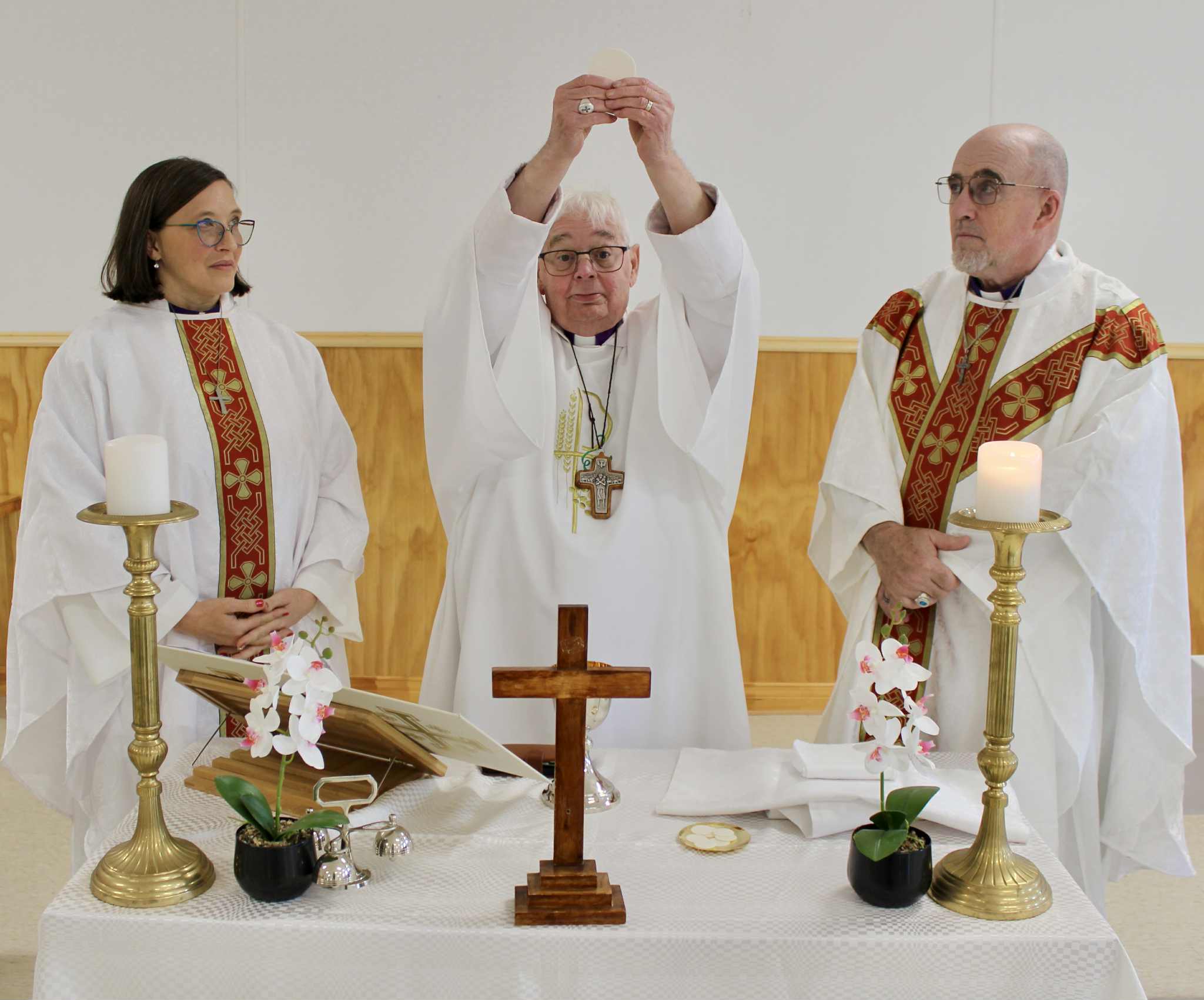
Provincial Bishop Charlene Bradley (Left), Archbishop Thomas Twose (presenting the Holy Eucharist and Archbishop Philip Bradley - Just as The Episcopate Stand at The Core of The Church so too The Scriptures Stand at The Core of The Faith
Having done all of the above, then try a simple little exercise, read each text again as often as necessary to accommodate replacing each name in the text with your own name, one person at a time. Examine how the text connects differently with you as you do this.
By inserting yourself alternatively as the protagonist, antagonist, victim, sinner or priest, etc, in each story and reflecting on how each may be true in your life today it is possible to gain invaluable insights into ourselves and our interactions with those around us. Often this exercise empowers the scriptures in our personal lives even as a stand alone exercise and much more so when we already grasp the contextual intentions and implications of the original narrative.
Recent Articles


-
The Divine Office
Aug 07, 26 01:16 PM
 The Divine Office The Divine Office, also known as the Liturgy of the Hours or Opus Dei ("Work of God"), is the official, daily set of prayers of the Catholic Church
 -
A Simplified Breviary
Aug 07, 26 01:14 PM
 A Simplified Breviary or Missal of The Divine Office of St. Brigit's Community Catholic Church.
 -
The Ethiopian Bible
Jul 25, 26 09:07 AM
 The Ethiopian Bible, compared to the Roman Catholic and Protestant Bibles gives us a totally different view of early Christian teachings and practices,


Boat Harbour West, Newfoundland, Canada. Cell Number 709-276-0626
Join Us Also on Our St. Brigit's Community Catholic Church Prayer group on Facebook: https://www.facebook.com/groups/324523956473448